A backyard is not a farm, and the ones that fail are usually the ones that refused to hear it. They begin in September with a seed order that would furnish a market garden, a tiller borrowed from a brother-in-law, and a moral feeling about self-sufficiency that does not survive the first fortnight of forty-degree days. What survives, in the yards I keep walking back to, is smaller: a bed you can water from a tank, a fig that was planted for a child, a row of silverbeet that looks like a habit.
This sits in The House as a house essay, not an agronomy lecture. The dirt at the back fence may be a builder’s rubble, a lead-dusted inner-city loam, a Perth sand that drinks compost and forgets it, or a Melbourne clay that cracks and sulks. The climate is not “Australia”. It is Hobart’s short summer, Darwin’s wet, Perth’s long dry, Brisbane’s humidity, Adelaide’s spring that collapses into a north wind. Grow food as if you live somewhere in particular.
Lead, and the inner-city bed that was a lane
Inner Sydney, inner Melbourne, the older parts of Adelaide and Brisbane, the cottage streets of Fremantle and Hobart: these soils have had a century of paint, petrol, ash and the odd backyard workshop. Lead is the one that still matters for food. It sits, stubbornly, near old weatherboards, under the drip line of a pre-1970 house, along a fence that was scraped in a keen renovation, in the laneway that used to be a rat-run for cars with leaded petrol.
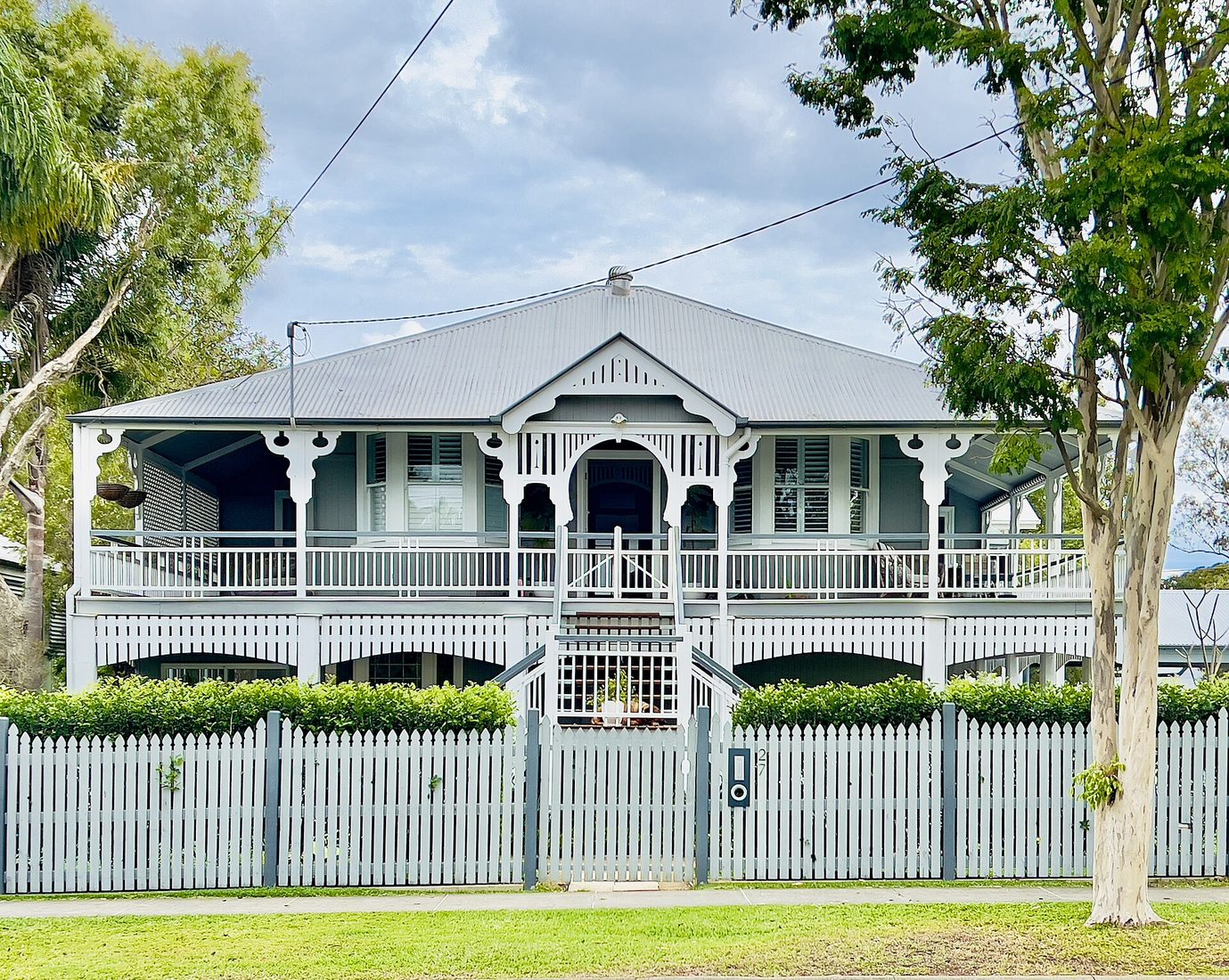
This is not a reason to concrete the yard. It is a reason to be specific. If you are putting in a food bed against an old painted wall, either test the soil or build a raised bed with a liner and soil you can name. Do not grow leafy greens in the drip line of a peeling Queenslander and call it rustic. Fruit trees, with fruit you wash, are often the more forgiving crop on a suspect block. Root vegetables want cleaner dirt.
A cheap soil test is not theatre. Wash produce. Wash hands after a Sunday in the dirt. Keep chooks off the most suspect strip if you are eating the eggs. The house itself is a longer conversation in older houses, lead paint and the asbestos we still live with. The garden is the place that conversation becomes lunch.
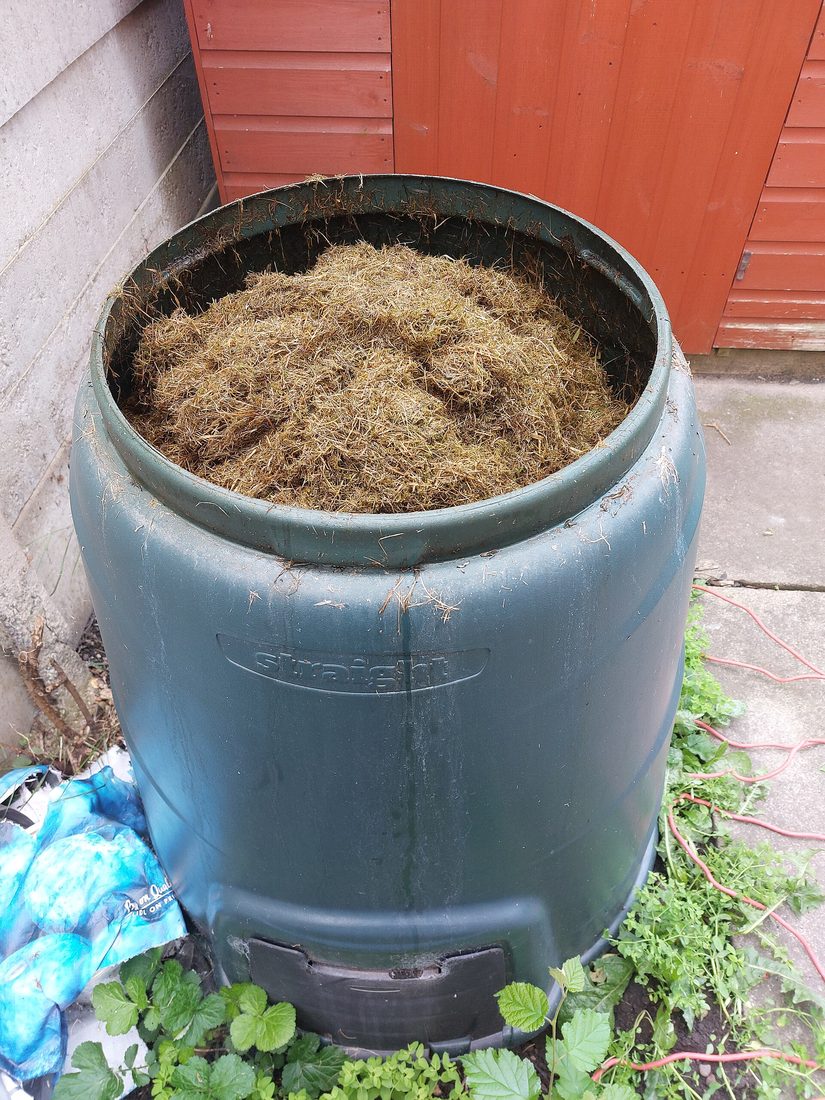
New estates have a different dirt problem: compacted subsoil, sand that was a dune, clay that was never a topsoil. Compost and patience are the amendments. For the heap that actually finishes in this climate, see compost that works in Australian suburbs.
Seasons by city, not by a packet printed for Kent
The seed packet is a colonial document. It assumes a winter that is a winter and a summer that is a polite warm. Rewrite it.
Hobart and the cooler south can grow brassicas with a sincerity the mainland lost. Tomatoes need the north wall and the faith that March will be kind. Frost is real. So is a dry east. Melbourne, Ballarat, Canberra and the Adelaide hills have a spring that is a negotiation and a summer that can be a furnace with a cold change in it. Plant tomatoes when the nights have actually lifted. Autumn is often the secret season: the heat eases, the tank still has something, the brassicas take.
Sydney and coastal New South Wales can grow almost anything and then watch humidity and fruit fly take the harvest as rent. Choose varieties that finish. Net what you cannot bear to lose. Brisbane and the subtropical coast love sweet potato and herbs that would sulk in Hobart, and they also have a wet that turns clay into a pond. Shade is not optional. Townsville, Cairns and Darwin are not “year-round growing” in the brochure sense. They are a wet and a dry. Grow as if the monsoon were a tenant.
Perth and the south-west have a wet winter and a summer that is a kiln on sand. Winter vegetables are the quiet triumph. Summer food lives under mulch, under shade cloth, and on a drip you will actually run. A Mediterranean orchard — fig, olive, a hard herb — is often a better long bet than lettuce you will watch crisp by November. The water ethics of that choice sit beside drought-ready Australian gardens.
Water, which is the crop you do not photograph
Food is water in a more edible shape. A backyard that grows tomatoes on mains through a restriction summer is a backyard that has made a political choice and called it lunch. I do not mind a small, shameless irrigated patch. I mind the pretence that it is independence.
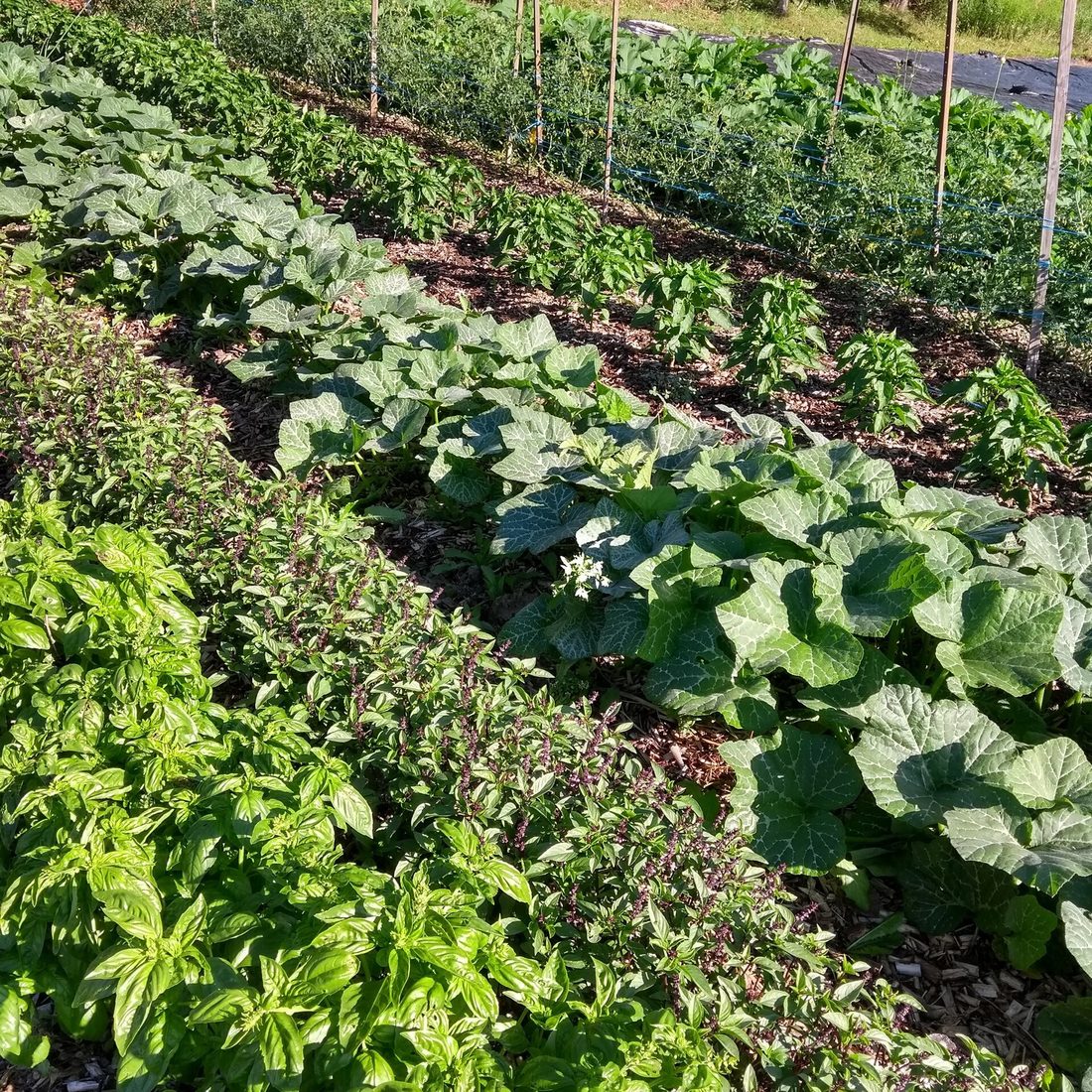
Put the thirsty plants together. Use the tank on the plants that earn it. Mulch as if the sun were a thief, which it is. Greywater, where your council permits it, belongs on ornamentals more readily than on a lettuce you will eat uncooked. Drip beats a sprinkler that waters the path and the wind.
January is the exam. A bed you cannot keep moist in a heatwave is a bed you should have planted with something else, or not planted. There is no prize for a dead zucchini that was going to “feed the street”.
Shade cloth is infrastructure
Australians treat shade cloth as an admission of failure, as if a real gardener would simply choose tougher plants and stare down February. In much of the continent, shade cloth is how a summer crop remains a crop. Thirty per cent on a frame over tomatoes in Perth or western Sydney can be the difference between fruit and a dry autopsy. Heavier cloth on a west-facing bed in Adelaide is not cheating.
Build a structure you can take off in winter. Let the winter sun in. In the tropics, shade and air movement matter more than a frost cloth you will never need. A hot house in Queensland is often a humid box. An open frame and a breeze do more. If the yard has no tree, the cloth is the tree you can install this afternoon.
Chooks, if the council and the fox agree
A small flock is the closest most suburbs get to a farm animal. Eggs, a compost partner, a beetle patrol. Also: noise, rats, neighbours, foxes, heat stress in a metal coop that faces west, and council rules written after someone else’s rooster.
Two or three hens, legal, housed, and fed on scraps that are actually scraps, will give you eggs and a useful scratch in a run you rotate. They will not “process the whole garden” unless you like bare dirt and a dust bath in the silverbeet. Keep them off the lead-rich strip. Give them shade and water that does not cook. If you cannot do that in January, do not get the birds in September.
Bees are a different neighbour. European hives are a commitment and sometimes a conflict. Native bees — the ones that already live in a suburban hollow or a hotel you did not over-engineer — ask less and give a different gift. Habitat, not a harvest target, is the honest frame. That longer porch conversation lives in native bees and backyard habitat.
What enough looks like
Enough is herbs you do not buy, a salad for some months of the year, a glut you give away without a speech, eggs that make Saturday feel like a place. Enough is not a spreadsheet in which the backyard beats the supermarket on dollars. It rarely will, once you count the tank, the time, and the seedlings you killed with love.
Plant fewer things. Plant them twice if the first sowing fails. Keep a notebook that records what actually ripened. Sit down at six o’clock, when the brick lets go of the day, and decide whether the bed is a joy. If it is not, shrink it. A farm can afford a paddock that is only a lesson. A backyard cannot. It is too close to the house for that kind of fiction.