A suburban compost heap is a small climate. It has a wet side and a dry side, a week in January when it becomes a kiln, and a week in July when it sulks. It also has neighbours, rats, a council truck, and a soil at the back fence that is nothing like the brochure. If you want compost that works in Australian suburbs, start there, not with a diagram drawn for a Vermont autumn.
I have seen good heaps in Fremantle limestone, in a Brunswick terrace, in a Townsville yard that never quite cools, and in a Hobart block where the pile froze the idea of "hot compost" for three months. The method changes. The aim does not: turn kitchen and garden waste into something you can put on the garden without inviting a possum convention.
This sits in The Land because a heap is how most Australians first meet a soil they did not inherit. For the vegetable side of that work, see growing food in Australian backyards. For the dirt you are about to dress, how to read an Australian soil profile will save you from treating a Bassendean sand and a western-Melbourne basalt as the same patient.
Hot piles, cold piles, and the heap that is neither
A hot pile is a deliberate stack: roughly equal volumes of greens (food scraps, lawn clippings, weeds without seed) and browns (dry leaves, shredded paper, old hay), built in one go, kept as moist as a wrung sponge, and turned when the centre climbs and then falls. In a decent Australian autumn — March into May in the southern capitals — a cubic metre can reach the mid-fifties Celsius and cook the easy weed seeds. You turn it, it heats again, and in a few weeks you have dark crumb, not last Thursday's salad.
A cold pile is what most households actually run. You add as you go. It may never get hot. Worms and fungi take months, sometimes a year. That is fine if you have the space, and if you do not keep opening a buffet for rats. It is not fine if you bury meat in a plastic dalek and wonder why the laneway smells.
There is a third heap, common and unloved: the dry stack of eucalyptus leaves and palm fronds that sits for years. Those leaves are high in oils and lignin. They will break down if you shred them and mix them with nitrogen. They will not break down because you glared at them in December.
Heat is a tool, not a virtue. A cold pile that is balanced and covered will feed a garden. A hot pile that is all grass clippings will slump into a sour pancake.
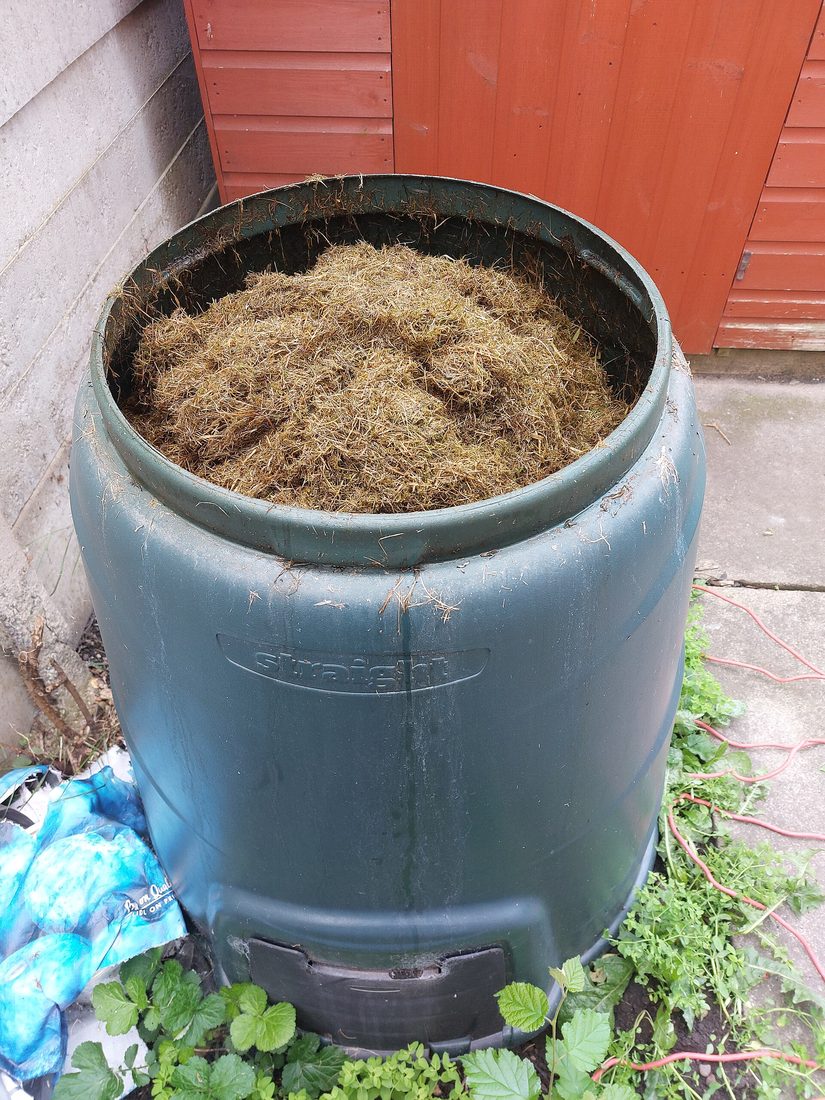
Tumblers help small yards. They do not abolish the carbon-to-nitrogen problem. If you only spin kitchen scraps, you will own a rotating smell. Keep a bag of browns beside the bin the way you keep matches beside the stove.
Rats, soldier flies, and the council bin
Rats like compost that is wet, protein-rich, and easy to enter. In Sydney terraces, Adelaide cottages and the older parts of Brisbane, they need only a habit. Close the lid. Use a bin with a floor, or a mesh base that lets worms up and rats not in. Bury scraps in the middle, not on top. Do not add meat, dairy or bones to an open pile. If you already have rats, stop adding food and start again inside something they cannot chew on the first night.
Black soldier flies are a different visitor. In warm months — most of the year in Townsville, a long summer in Perth and coastal New South Wales — the larvae can occupy a food-scrap bin with an enthusiasm that looks like a horror film and works like a processing plant. They are a sign that the bin is warm, wet and full of kitchen waste, not a failure of hygiene by themselves. Add browns, reduce scraps, or move those scraps to the council organics service.
Possums, brush turkeys on the east-coast fringe, and ibis in the inner city will open anything you have not weighted. A brick on the lid is infrastructure.
Council FOGO — food organics and garden organics — has changed the suburban equation. Melbourne, a growing share of Sydney, Adelaide, Canberra and a patchwork of regional cities now take material a backyard heap should never see. Rules differ. Read the calendar, not a national myth. The truck is a civic system with a contamination officer. Your heap is not in competition with it. Use both, and do not treat the landfill bin as the default because the heap failed in January. That failure is usually dryness, rats, or a pile made of lawn.
Summer is a kiln, not a growing season for heaps
Australian summer runs December to February, and in much of the continent it is a drying machine. A heap that was perfect in April will be a crust in January. Water it. Leave it alone and you will own a grey stack of leaves with a wet, anaerobic core the first time a storm hits.
In the tropics the heap never dries, soldier flies boom, and a plastic bin becomes a ferment. More browns, more turning, some shade. Do not wait for a Vermont winter that is not coming. In southern inland suburbs — Wagga, Bendigo, the Adelaide plains — a heap can sit under a UV-bleached lid and cook past usefulness. Shade cloth is not cheating. A position on the south side of a shed is not laziness.
Finished compost should smell like a forest floor after rain. If it smells of ammonia or rot, or if you can still name last week's orange peel, it is not finished.
What not to add, even when the internet is relaxed
A short list, written for this climate and these councils:
- Meat, dairy, bones and cooking oil in an open or poorly sealed heap.
- Cat and dog faeces. Council FOGO sometimes takes dog waste in approved ways; your vegetable bed does not need the experiment.
- Persistent weeds with bulbils or runners — oxalis, onion weed, couch, nutgrass — unless the pile is truly hot.
- Oleander, and the usual suspects from a suburban hedge that were never meant to be food.
- Large volumes of eucalyptus or paperbark leaves, unless shredded and mixed.
- Coloured glossy paper, coal ash, and treated timber.
- The contents of the bathroom cupboard. Choosing safer cleaning products belongs in the laundry, not in the worm farm.
Citrus and onion in modest amounts will not kill a heap. A weekly bag of them in a tiny worm farm might. Weeds that have already set seed are a gamble: hot compost can kill many seeds; cold compost will plant them for you.
Sandy yards and clay yards are not the same dressing
On the Swan Coastal Plain, the Bassendean and Spearwood sands drink compost and ask for more. Work a few centimetres into the top of a bed, then mulch. A thick slab of unfinished compost on pale sand will dry into a water-repellent skin and shed the first summer watering. Little and often beats a single heroic dump. The same is true on coastal sands around Sydney and behind many Victorian beaches.
On clay — the basalt plains west of Melbourne, the residual clays of the Cumberland Plain, the heavy yards of inner Adelaide — compost is still useful and easier to abuse. A wet clay plus a wet, unfinished heap is a sealed lid. Spread thin, and do not dig it into a sodden B horizon. Gypsum may be the more urgent amendment if the clay disperses. Compost will not replace that chemistry.
Finished compost is a soil conditioner and a modest nutrient source. It is not potting mix, and not a reason to stop watering when the heat sits on the brickwork at four o'clock. The heap that works is the one you will still turn after the novelty has gone. Keep the browns handy, keep the rats out, give January a drink, and put the result on the soil you actually have.