The drought-ready garden has a public-relations problem. It is advertised as a moral landscape: grey rock, a cactus that looks lonely, a sign that the household has understood the climate. Plenty of those yards are water-wise. Plenty of them also look like a display home after the stylist gave up. Australians did not move to the suburbs only to contemplate gravel. They wanted shade, tomatoes, a place for a child to be sticky, a camellia that reminded someone of a grandmother. The task is not to abolish that wanting. It is to stop watering it as if the Millennium Drought had been a rumour.
A garden that can wait is still a garden. It has zones, a mulch that is doing work, plants that were chosen for the rain that actually falls, and a tank that is not a toy. It may have a small, shameless patch of something thirsty because joy is a legitimate land use. It does not have a lawn that drinks like a dairy herd.
A garden that can wait
Waiting is the skill. Australian summers have always asked plants to wait. What has changed is the length of the ask and the reliability of the mains as a backup. The garden designed on a nurseryman's foggy August Saturday then spends February looking betrayed.
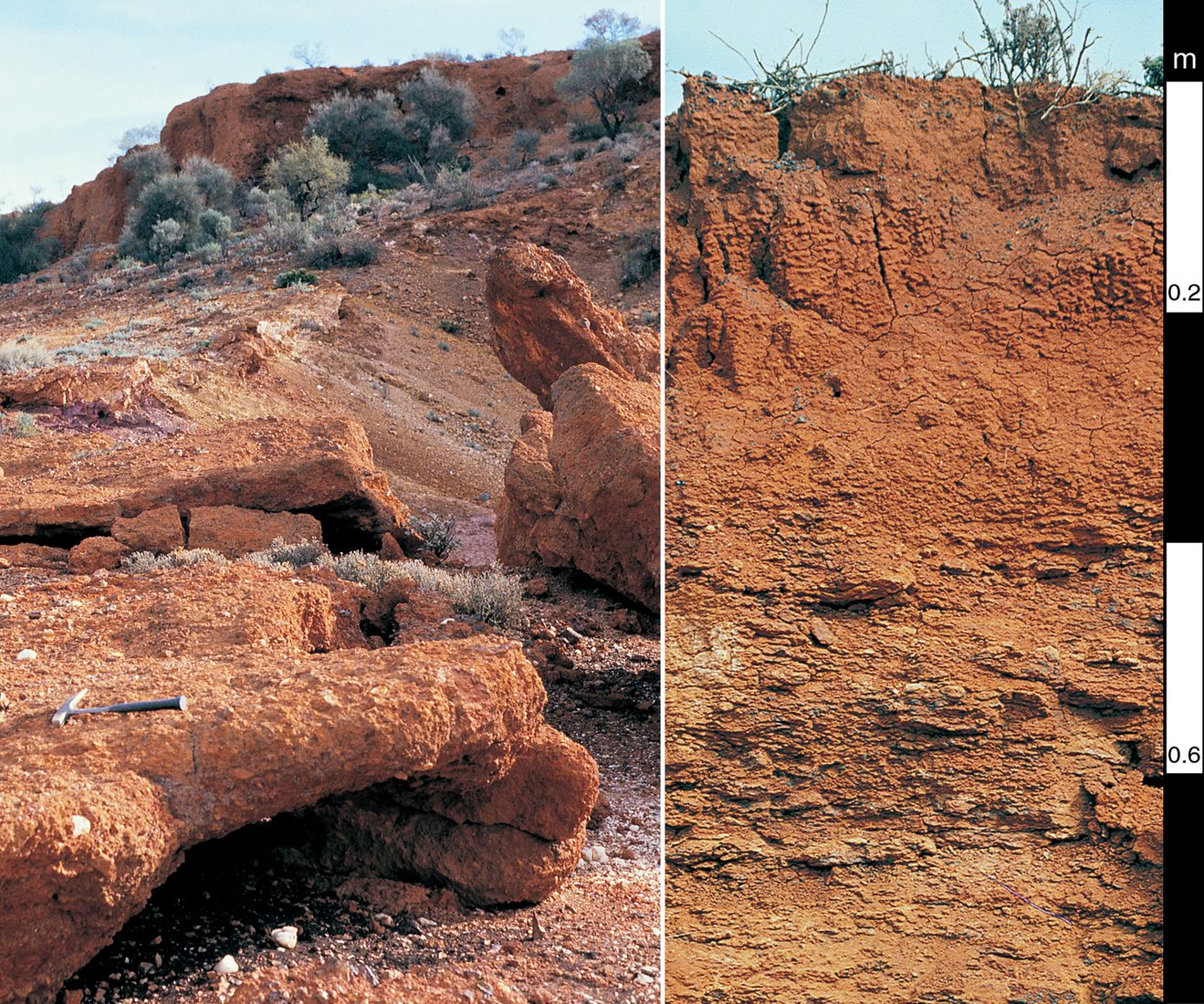
Design for the wait before you shop. Where does the afternoon sun actually hit? Where does the roof dump water in a storm? Where is the soil a hydrophobic sand, a cracking clay, a builder's rubble with a name? A drought-ready plan that ignores those questions will fail in a local accent. Perth sand is not a Melbourne clay flat. Hobart's dry east is not Darwin, and Darwin is not a drought story in the southern sense at all.
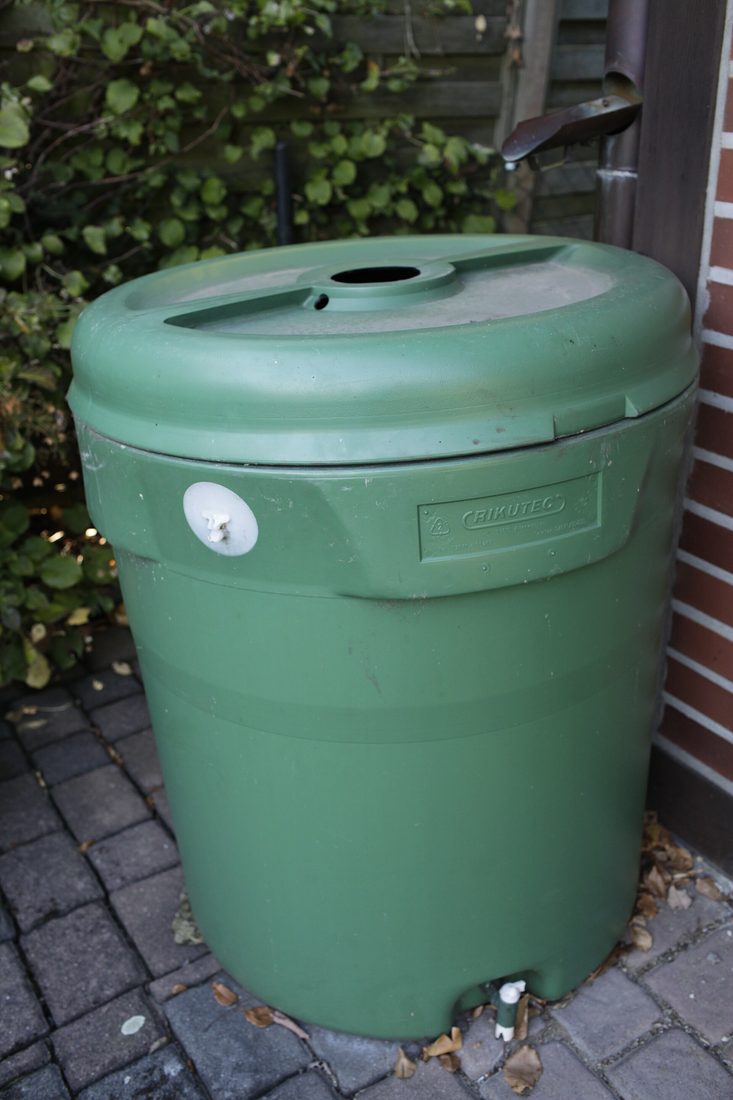
The house is part of the garden. Eaves, a west wall, a driveway that could have been pale gravel and became a heat sink: these decide what will live. If you are already thinking about tanks, the companion essay is rainwater tanks done properly. Water collected on the roof is the only irrigation that does not arrive as a political argument. Use it on the plants that earn it.
Hydrozoning is not a slogan
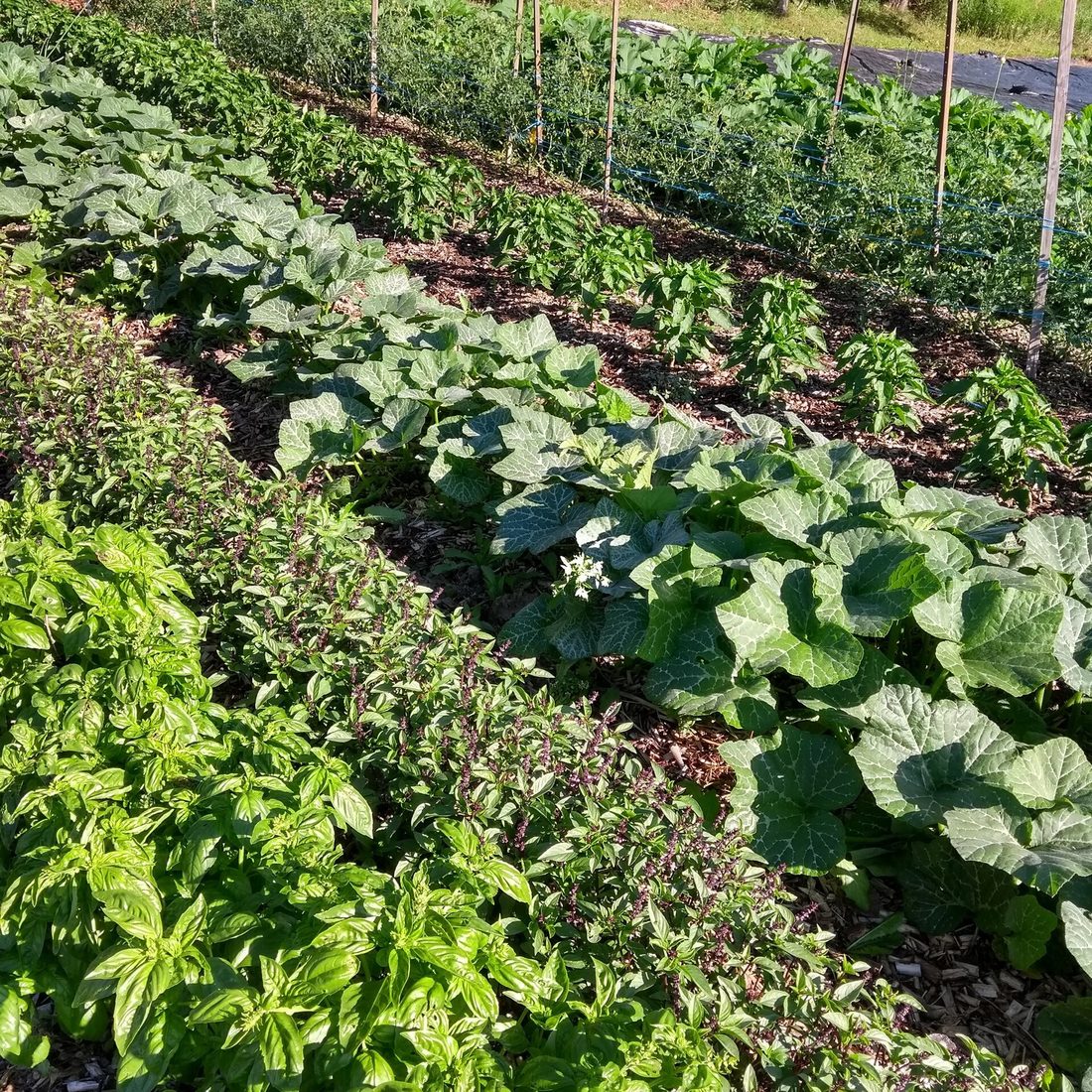
Hydrozoning means putting plants with the same thirst in the same place, and then watering that place as a place, not as a guilt. The vegetable beds and the citrus, if you insist on citrus, sit together near the tank tap or the greywater outlet that your council actually permits. The local shrubs that can take a dry January sit further out, on a drip line that may be shut for weeks. The nature strip, if you are allowed to touch it, is not a second lawn. It is a tough, low, public planting that can be ignored in a bad year without shame.
This is less aesthetic theory than plumbing. A mixed bed — hydrangea, kangaroo paw, lettuce, a borrowed rose — cannot be watered correctly. Someone will drown. Someone will sulk. The hose will run for the thirstiest plant and the others will drink like uninvited guests. Separate them and the household can make a decision: this zone gets the tank on Tuesday; that zone gets nothing until the sky moves. A small green room near the back door, watered and used, is a different object from a quarter-acre of ryegrass performing for the street.
Mulch, soil and the unfashionable centimetre
Mulch is not décor. It is a lid. Seven to ten centimetres of coarse material — chipped wood, leaf, the municipal mulch that is not still cooking — keeps the summer out of the soil's face. Keep it back from stems so you do not invent collar rot. Renew it because it is supposed to disappear; that disappearance is the soil being fed. A pretty scatter of pebbles over plastic is a different device. It can suppress weeds. It can also cook the ground and make a bed into a skillet.
Under the mulch is the argument that suburban gardening likes to skip. Soil that takes water is soil that has some carbon and some life. A compost heap, a cover of plants instead of bare dirt, an occasional handful of well-made compost rather than a monthly drowning in soluble fertiliser: these are how a bed stops shedding rain like a tin roof. We have a paddock-scale version of the same idea in cover crops for hot, dry seasons. The backyard version is a bean, a green manure in a retired tomato bed, a refusal to leave the vegetable patch naked from November to March. Hydrophobic sand and cracking clay both want organic matter and patience, not a product with a mountain on the label.
Local natives and honest exotics
“Plant natives” is good advice that has been asked to do too much. A wet-sclerophyll shrub from a gully, planted on a west-facing sand in a rain-shadow suburb, is a native and a fool's errand. A rosemary, an olive, a fig, a pomegranate, a true Mediterranean rock-rose: these are exotics that understood dry summers before the Australian nursery trade discovered the word endemic. Use them where they fit. Do not call them a betrayal of Country. Also do not call them native because they have gone feral on a roadside.
Local plants — the ones from your own bioregion, not from a catalogue's “native” page — have the advantage of already having signed the rainfall contract. They also feed the insects that belong here, which is a garden virtue beyond water. A mix is allowed. A front yard of tough local shrubs and a back bed of food plants you actually eat is a household, not a botanical position paper. Some “low-water” succulents and grasses become weeds the moment they leave the fence; if you live near remnant bush, the plant list is a neighbourly document.
Food is a special case and a joy. A drought-ready garden can still grow tomatoes in a defined, watered zone, herbs in the sink-adjacent luxury strip, and the perennial foods — rosemary, olives, hard herbs, a well-chosen citrus on a drip — that do not need to be replanted from remorse every September. The longer kitchen argument sits in growing food in Australian backyards. Here it is enough to say that edible and drought-ready are not opposites if you stop trying to grow a market garden on a hose.
Restrictions, tanks and the politics of the hose
Water restrictions are a civic instrument, not a personal insult. They arrive when storages drop, when a catchment has had a poor winter, when a city would rather not build another dam or run the desalination plant as a personality. Odd-and-even sprinklers, no spray in the middle of the day, buckets for the car: these are the familiar grammar. A drought-ready garden is one that can obey without dying and without a family argument about the camellias.
Greywater is useful and regulated. Soap and the salt in some detergents are not a gift to a citrus; use it on ornamentals, and do not store it long enough to become a science experiment. Drip is better than spray; morning is better than a forty-degree afternoon.
What still looks like a garden in February
Structure does the aesthetic work when flowers will not. A tree that casts a real shadow. A shrub with a winter bone. A path that is pale enough to walk on. A pot of something shameless by the door, watered from the kettle's leftover, because a household is allowed one sentiment. Colour can come from bark, from a painted chair, from the native flowers that appear because you stopped irrigating them into softness.
Dead-looking is not the same as dead. Many Australian plants take a January holiday in the leaf. Learn the difference before you water a dormant shrub into rot. Care, in a dry country, often looks like restraint.
The wider water shelf — rivers, tanks, creeks, the artesian country you will never garden — lives in The Water. A backyard is the smallest catchment most of us will ever govern. Governing it kindly through a restriction summer is not a lifestyle brand. It is the old Australian work of making a place that can wait, and still be worth walking into at six o'clock, when the brick finally lets go of the day.