Every Australian suburb has a creek it would prefer to discuss as a drain. The water arrives on roofs and roads, finds a grate, and is spoken of as if it had been dealt with. It has not been dealt with. It has been accelerated. What used to soak into a floodplain or wander through tea-tree now hits concrete, picks up the week's litter and the dog park's uncollected facts, and arrives at a river mouth as a pulse of dirty surprise.
This is a design choice from a century that believed water on a street was an emergency and water in a pipe was hygiene. The choice kept houses dry and gave us the lifeless channel that cuts a park in half. Undoing it is now called water-sensitive urban design when a council is feeling formal, and “putting the creek back” when a Landcare group is feeling plain.
The creek that became a drain
Name the water if you can. Merri, Cooks, Iron Cove, Oxley, Torrens tributaries, the Brisbane creeks that become a brown muscle after an afternoon storm. Before the subdivision they were chains of ponds. After it they were a nuisance. Engineers straightened, deepened, lined, and in the keenest cases put the whole creek in a pipe.
A piped creek still has a catchment. The rain does not respect the amnesia. It arrives faster because the roofs and the bitumen will not hold it, and it arrives dirtier because a road is a linear deposit of rubber, oil, heavy metals and the plastic that was supposed to be in a bin. The first part of a storm — the first flush — is the worst of it. A concrete channel is an excellent device for delivering that flush, intact, to the next suburb and then to the harbour.
Householders meet this system at the kerb. The grate is not an exit from responsibility. It is the front door of a waterway you may never walk. If you want the national-scale version of a shared river with too many users, it is The Murray–Darling for householders. The urban creek is the same ethics at the scale of a dog walk.
Concrete, and the fashion for taking it out
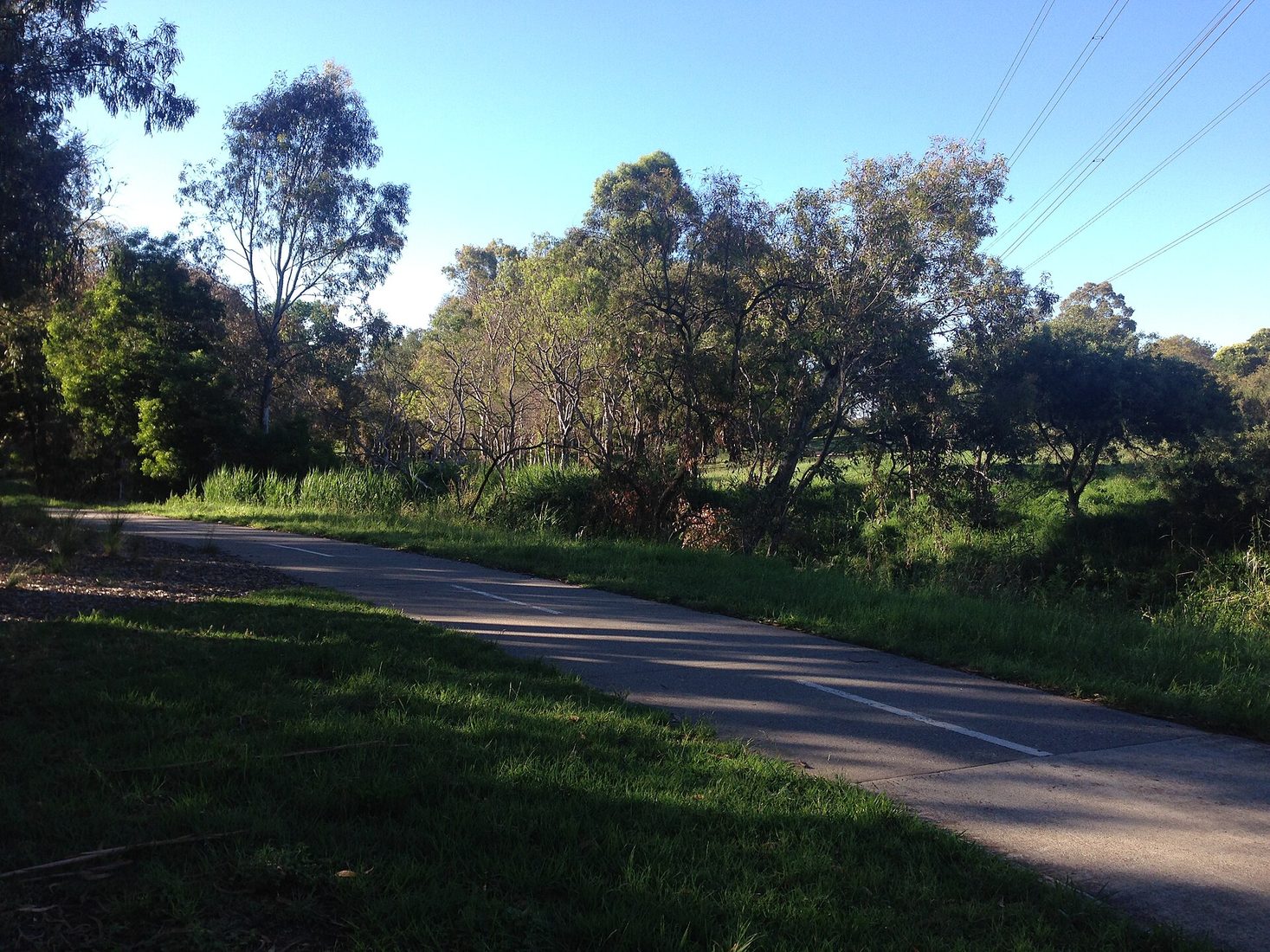
Daylighting is the word for lifting a creek out of its pipe or its deep trapezoidal drain and giving it a bed again. The word is doing a lot of hopeful work. You cannot restore a pre-settlement waterway on a reserve thirty metres wide between a railway and a row of weatherboards. You can, if the politics and the money hold, replace a sterile chute with a channel that has rocks, bends, planted benches, and a path that admits the water is a public fact.
Some of the best Australian examples are incomplete on purpose. Merri Creek in Melbourne was not saved by a single visionary pour. It was argued over, planted, replanted after floods, and slowly made walkable by groups who treated a degraded urban river as worthy of decades. Parts are still hard and ugly. Parts now hold birds that would have written the place off. That mixture is the truth of urban restoration. Anyone promising a wilderness in a postcode is selling a brochure. A channel that protects a hospital from a rare storm is not a moral error. The error is using the same logic on every tributary because it was the kit of the 1970s.
Litter traps and the first dirty flush
Gross pollutant traps — the baskets, booms and ugly cages at the end of a pipe — are not pretty and should not be asked to be. They catch bottles, leaves, takeaway boxes, the surprising volume of wet wipes that were never wet-wipeable. A trap that is emptied is a civic tool. A trap that is ignored becomes a hanging garden of rot and a blockage in the next flood.
Traps do not catch dissolved fertiliser, fine sediment or the oil that arrived as a sheen. They are the coarsest net: useful, necessary, and insufficient.
The first flush can be slowed. A raingarden at the base of a downpipe, a swale along a nature strip, a wetland at the end of an industrial estate: these are devices for making water late and cleaner. Late is a virtue. A creek that receives a two-hour soak after a storm is a different animal from a creek that receives a twenty-minute shove.
WSUD without the brochure
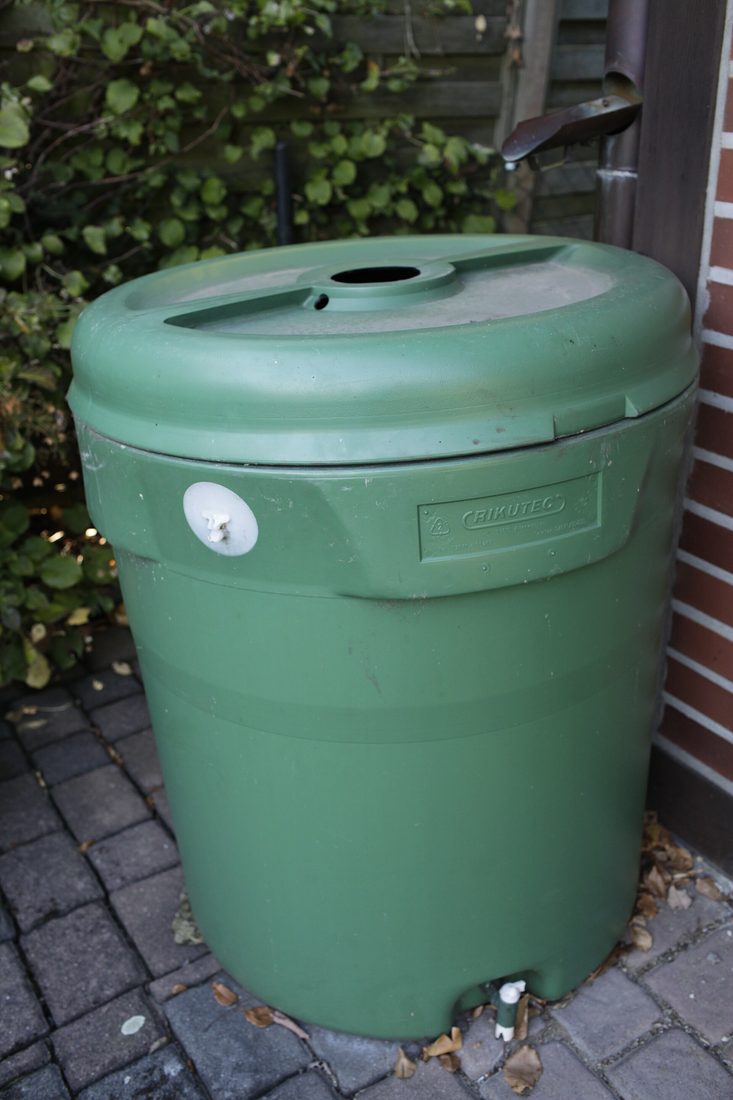
Water-sensitive urban design is a pile of acronyms that can be translated into a few household and street-scale habits. Hold water where it lands if you can. Clean it before you pass it on. Use it, if the rules allow, before you throw it at the harbour. The kit is familiar once you drop the branding: permeable paving on a car space that does not need to be a skating rink; a rain-garden trench of sandy loam and sedges; a tank; a green roof on a building that can carry the weight; a constructed wetland that is allowed to look a bit messy in late summer.
Councils now write WSUD into planning permits. The gap is maintenance. A raingarden filled with last year's circulars and a wetland that has become a reed monoculture are design successes on the day of the opening and failures by the third winter. The unglamorous truth is that someone has to weed, empty, replant and explain to a neighbour why the “drain” now has frogs.
This is where civic practice meets hydrology. How Landcare actually works is not only a paddock story. Urban Landcare and friends-of-the-creek groups are the reason some daylighted channels have plants with names, not just a contractor's hydroseed. Ask those groups what they do on a Saturday that is not photogenic.
Dogs, nutrients and the animals that stayed
A well-loved urban creek is a dog landscape. That is not an insult to dogs. It is a nutrient problem. Faeces left on a bank or a path become a soluble fertiliser in the next rain. Nitrogen and phosphorus, plus a bacterial load nobody wants in a child's gumboot, travel the same concrete express the bottles do. Bins and bags are not a complete ethic, but they are the minimum. Off-lead areas that slope straight to water without a vegetated buffer are a design error dressed up as amenity. Nutrients also arrive from lawns and from the car-wash at the kerb. The creek is not mysteriously sick. It is well fed.
Platypus still live in some Melbourne and peri-urban Victorian waters, in parts of the New South Wales coast and ranges, in Queensland creeks that have not been entirely converted to drains. They persist where there are banks to burrow, invertebrates to eat, and water that does not vanish into a pipe between pools. A platypus in a city catchment is not a mascot. It is a verdict: this channel, against the odds, is still a river. Dogs off lead in those reaches, yabby nets, discarded line, and a sudden dump of sediment from a building site are how the verdict gets reversed.
The rest of the urban menagerie — eels in a Sydney sandstone creek, water dragons on a Brisbane path, rakali, the occasional turtle — belongs in the wider conversation about living with urban wildlife. The creek is their street. We paved it and then expressed surprise that they used the nature strip.
A householder's reach
You cannot daylight a trunk drain with a weekend. You can keep the first flush off the fastest path. A tank, a mulched bed, a downpipe that spills into plants rather than onto concrete, a refusal to wash paint into the gutter: these are small, and they add. You can walk a creek that still has a name and learn where the pipe begins. You can go to the meeting where a developer explains that the waterway is a “constraint” and ask them to use the word creek.
You can also stop saying stormwater as if it were a product that has left the building. It is rain, plus the suburb. It will go to a river that still has to finish a sentence, sometimes all the way to a basin we pretend is someone else's, sometimes only to the next ugly concrete bend. The Water department exists because that pretence has been expensive. Honesty is the first restoration technique.