A weed in Australian bushland is not a plant out of place in a philosophical sense. It is a plant that rewrites the place. Lantana will take a gully and turn it into a single, fragrant room with no floor. Cat's claw will drape a remnant fig until the fig is a shape under a curtain. Asparagus fern will sew a hillside shut. The rewrite can look, from a ridge, like greening. It is a different country wearing the old name.
Fire, flood, a new road, a dumped trailer of cuttings: these are the invitations. The plants were often invited first, on purpose, as hedges and hanging baskets and a splash of colour against a paling fence. Then they left. The household part of this story is not a lecture about purity. It is hygiene, a refusal to dump, and the humility to learn the local list before you plant a "tough" pretty thing that has already escaped two postcodes over.
Lantana, the room with no floor
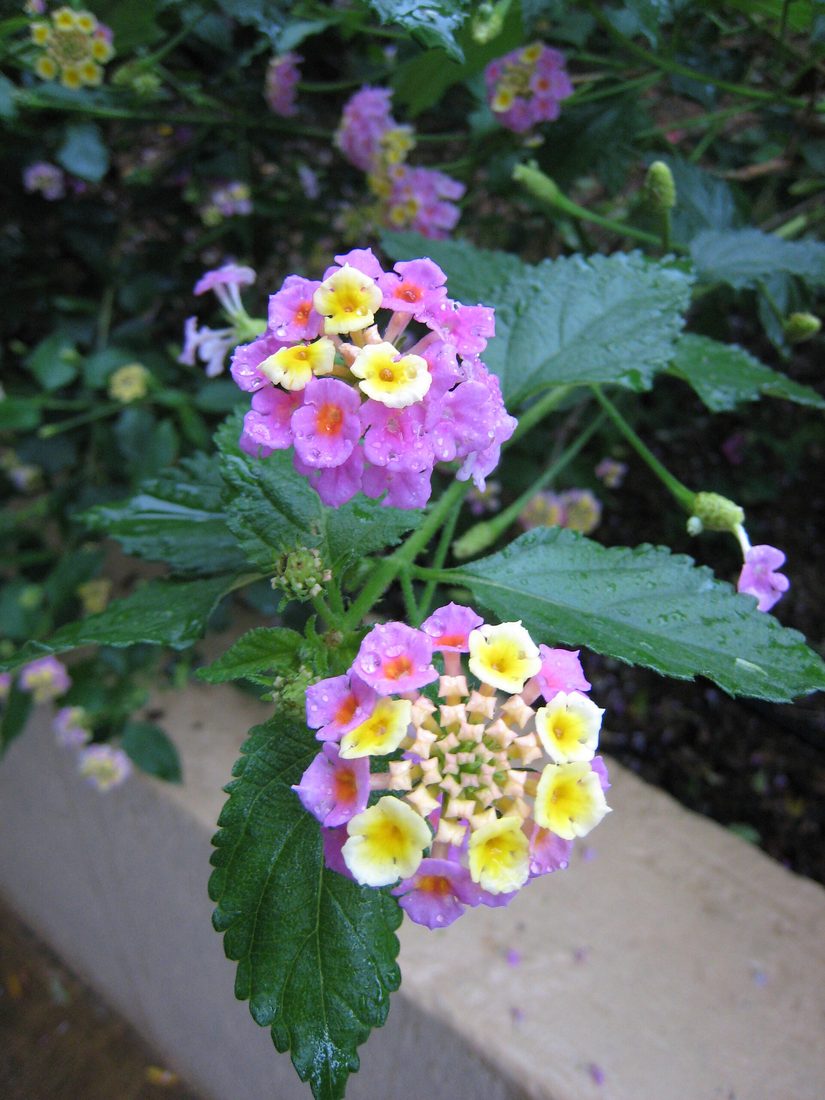
Lantana camara is handsome. That is the problem. Clusters of pink, yellow, orange; a scent that reads as tropical holiday; a hedge that forgives neglect. In east-coast gullies and wet sclerophyll edges it becomes a thicket that excludes almost everything that used to walk or germinate underneath. Some birds eat the fruit and do the distribution for free. A fire that is hot enough can knock it; a fire that is not, or a fire followed by rain and no follow-up, can open the canopy and deliver a lantana room where a forest floor had been.
Control is not a weekend. Mature clumps are cut and painted, or carefully sprayed by people who know what else is in the gully, and then the follow-up happens, and happens again. Seedlings come in a flush. A single proud slash without herbicide on the stump is how you get a hydra. Biological control has taken the edge off in some districts and has not abolished the plant. Anyone selling a miracle should be asked where they weed on Saturdays.
Households meet lantana as a cheap screen and as a "bush" behind the back fence. Removing it is a gift to the remnant, provided the soil is not left bare for the next invader. The gap after a thicket is a second invitation.
Cat's claw, which does not stay on the fence
Cat's claw creeper — Dolichandra unguis-cati — climbs with little hooks and then becomes a roof. In riparian forest from Queensland through northern New South Wales it smothers canopy trees and lays a tuberous mat that is exhausting to dig. The yellow flowers are the annual public-relations campaign. Tubers remain; a flood moves them. The household duty is non-negotiable: do not grow it, do not keep "just the one on the letterbox", do not dump the prunings in the reserve. Allied vines — madeira, moth vine, balloon vine — are variations on the same theft of light. Learn the local villain.
Asparagus fern, the sewing kit
The asparagus weeds — climbing asparagus, ground asparagus, bridal creeper in the south — look like a delicate understorey until you try to walk through them or find a native seedling that managed the same. They sew. They tuber. They berry, and the berries leave on a bird. Bridal creeper in southern Australia has been a special catastrophe in woodland and along roads; biological control has helped and the plant is still there. Climbing asparagus on the east coast takes rainforest edges and moist gullies and makes a green wire.
A hanging basket that seemed like a kitchen herb's cousin has started more than one hillside. If you inherited a bed of it, bag the berries before you dig. A compost heap that does not get hot enough is a dispersal device. Bridal creeper after fire is a reminder that disturbance has two edges. Cool fire used as a fantasy that will "clean up the weeds" can open a stage. That argument is made carefully in cultural burning and the return of cool fire. A flame does not replace a follow-up weeding year.
The garden that escaped
A long list of Australian bush invaders began as a good idea in a yard: cotoneaster, privet, camphor laurel, umbrella tree, mother-of-millions, gazania on a dune, agapanthus along a south-coast road, the "pretty" daisy that loved the verge a little too much. Some are now Weeds of National Significance. Some are merely local disasters. The distinction matters less to the remnant at the end of your street than whether you are still selling the seed over the fence.
The useful habit is to ask, before planting, whether the thing is already a problem in your bioregion. State weed lists, a council page, the person at Landcare who is too tired to be polite: these are better guides than a social post about a hardy bloomer. If a plant is described as "tough, fast, bird-attracting and maintenance-free", hear a warning. Those are the traits of an invader.
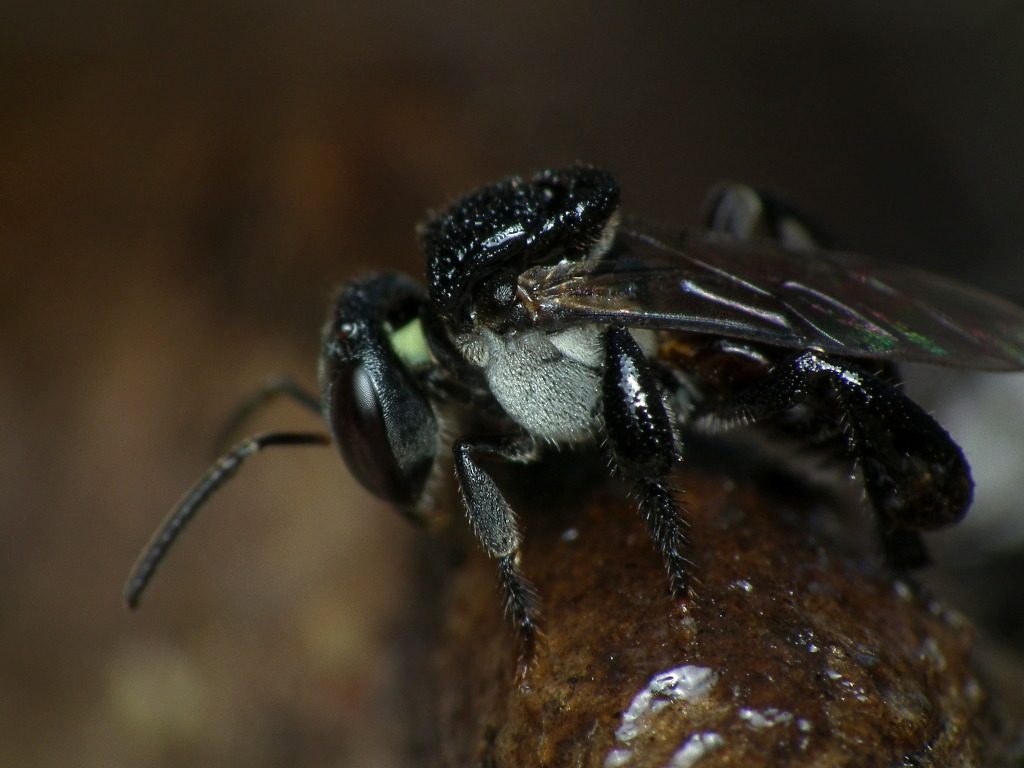
Replacement is not a vow of drabness. Local grevilleas, a bottlebrush, a native violet: the palette is not punishment. A backyard that also wants insects has a second reason to be careful; the same "tough" exotic that smothers a gully can starve a season of native bees and the habitat a backyard can actually offer. Flowers are not automatically food.
Hygiene after a bushwalk, which sounds fussy until it isn't
Seeds ride in mud on a boot, in a sock, on a dog, on a bike tyre. A brush at the end of a walk, a wash of a tyre before you drive to another reserve, a dog rinsed of burrs: these are unphotogenic and effective. Phytophthora — not a weed, but in the same hygiene sentence — travels in wet soil on the same boot. Stay on the path when the path is the deal. Do not take a souvenir cutting. Dumping is the cruder version of the same sin. A trailer of clippings over a back fence is not "returning organic matter". It is a planting.
What a Saturday actually changes
A household will not clear a hinterland of lantana. A household can stop being a source. Pull the garden escapees. Bag the berries. Take the waste where waste goes. Join the group that already weeds the creek, if there is one, and accept that the work is follow-up, not a single heroic day. How Landcare actually works is the civic version of this patience: tools, tea, a plan, and the refusal to confuse a working bee with a rebrand.
If you manage a block, time the weeding to the plant, not to your enthusiasm. Cat's claw before it seeds. Asparagus before the berries colour. Lantana when you can get to the stump. After fire, after flood, after a neighbour's dump: those are the weeks that decide the next decade. Green cover is not the metric. The metric is whether the floor is still a floor, and whether a seedling that belongs there can see light.
The rest of Wild Neighbours is the animals that need that floor. A thicket of the wrong plant can hold a nest and still be a rewrite. Honesty is knowing the difference, and then turning up again after the next rain.