A threatened species list is a civic document dressed as a scientific one. It names animals and plants that are running out of room, time, or both. A household reads it and feels a familiar itch: to help, to buy, to post, to rescue a single face. The itch is not contemptible. It is also not a plan. Most listings will not be reversed by a birdbath. A few will be made worse by the wrong kind of help.
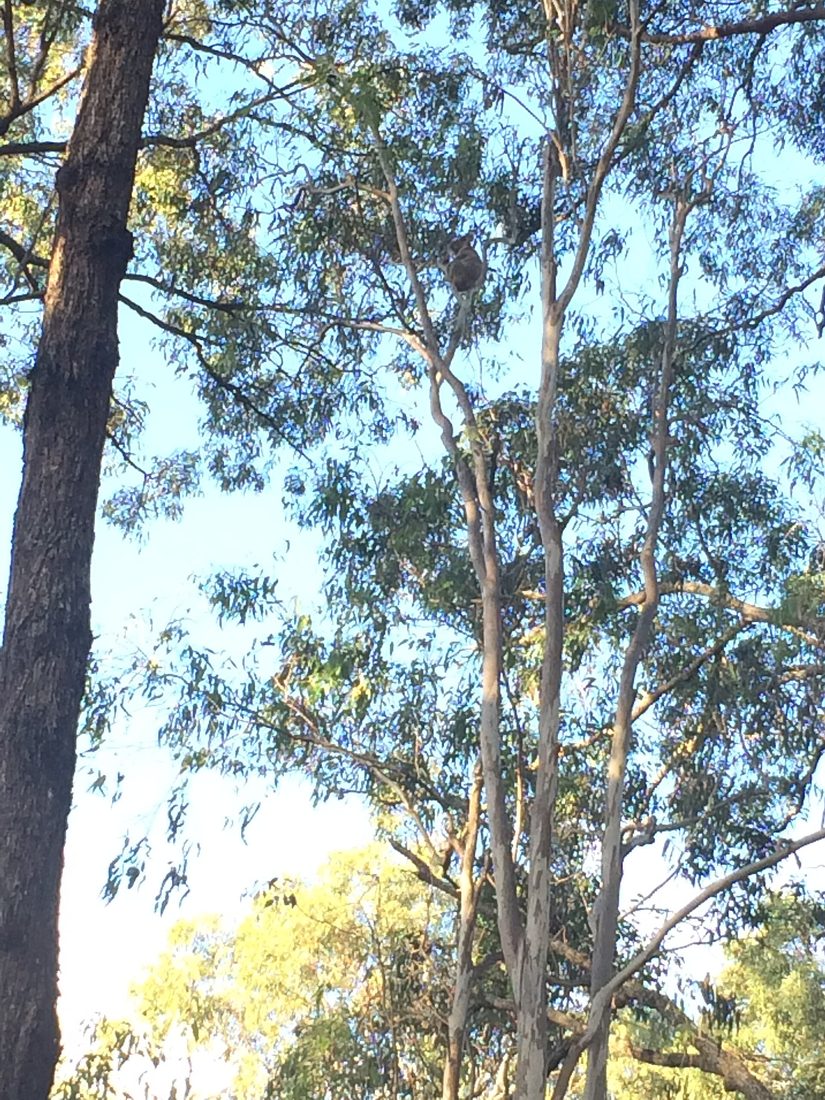
Honesty is the first useful offering. You will not delist a quoll from a terrace in Marrickville. You may, if you live on a peri-urban edge, decide whether a cat is out at night, whether a floodlight treats the remnant as a stage, whether money goes to a group that still has a site, and whether your attention is a datasheet or a mood. The koala-shaped version of this honesty — feed trees, dogs, the offset that is not a tree — is already written in koala habitat and the backyard corridor. This essay is the wider, less photogenic list.
Cats at night, which is not a personality debate
Australia's feral cat crisis is a continental fact. The pet cat on a suburban edge is a local fact that households still control. A cat that hunts at night in a corridor, a dune, a grassland remnant, a creek line, is a predator we chose to house. The prey is often the small mammal or lizard that was already rare enough to be on a list, or the bird that nests low because the midstorey is all that is left.
This is not an argument for a catless country. It is an argument for a cat that is in at night, preferably in at dusk, and walked or contained if the block sits on habitat. Catios, a routine, a bell that does not work as well as the brochure said, a collar with a bell and a bell that the cat learns to silence: containment is the tool that works. Night curfews in some councils are a hint of where the politics is going. Do not wait for the by-law if you already live beside a reserve.
Indoor cats can live long, dull, affectionate lives. Outdoor cats can be loved and still be a problem. If you cannot keep the animal in, you do not live on the edge of a grassland that still has a hopping mouse. A roaming dog on a beach that holds a nesting plover is the same story in sand.
Light spill, the suburb that cannot go dark
Listed species include animals that need a dark: turtles taking a bearing from a dune, moths that are themselves food, gliders that will not cross a blaze, seabirds that pile into a floodlit oval. Motion sensors, a warmer colour, a shield that points the beam at the ground: these are modest and they add. If you live on the coast where turtles nest, close the seaward blinds. The wildlife reason is sufficient on its own. You do not need a second justification to stop advertising your bins to the entire valley.
Donations, which are not trees
Money helps when it reaches people who already have land, a permit, a vet, a weed plan, or a captive-breeding protocol that is not a hobby. Money wasted is the viral appeal with no ABN, the nursery that sells "habitat" tubestock into a bioregion that cannot use them, the hospital that is asked to be a substitute for the forest that was cleared last year.
Give, if you can, to the group that will still be there in a decade: a Landcare network with a creek, a trust that buys habitat rather than merch, a zoo program with a published genetic plan, the rescue service you actually call. How Landcare actually works is the unglamorous version of this — tools, follow-up, a site. A donation that funds follow-up weeding is often worth more than a donation that funds a launch.
Do not confuse a regular gift with having provided habitat. The animal cannot eat a receipt. If you have land, the gift may be a covenant, a cat rule, a refusal to sell the paddock gum for firewood. If you do not have land, the gift is money plus the political habit of showing up when the offset is being used as a lullaby. Hospitals matter. They treat the injured. They do not replace a breeding population. A country that funds only the crate will remain busy.
Citizen science, attention with a datasheet
A household can look carefully. FrogID, Birdata, iNaturalist, the platypus spot-app, a local fungi survey, the possum count a council runs when it remembers: these are ways of turning a walk into a record. Records are how a species is shown to be in a suburb the planning map called empty. They are also how a false abundance gets corrected.
The manners matter. Do not harass an animal for a photograph. Do not geolock a rare orchid to the nearest metre on a public map if the platform allows a fuzzed location. Do not "rescue" a fledgling into a box so that you have a story. Do not treat a listed plant as a souvenir. The datasheet is the offering. The selfie is optional and often unwise.
Consistency beats a burst of virtue. A frog recorder at the same wetland one evening a month is more use than six apps after a documentary. Learn the common things first so the rare thing is not a guess. Citizen science is not a substitute for professional survey. It is the extra set of eyes on the years between surveys, which is when the subdivision usually arrives.
Most Australian households are not on a remnant edge. Their honest list is still worth doing. The cat. The light. The money. The record. The vote on the thing that looks like a park and is a corridor. What a household cannot honestly do is complete the recovery plan. Governments, landholders, Traditional Owners, a climate that is not waiting for the listing process: these are the larger verbs. Pretending a donation has done the verbs is how lists lengthen in a good mood.
Some species will never be visible from the deck. The household contribution to those lives is political and financial: the reserve that is not sold, the water that is not extracted into a new estate. You will not meet them. You can still stop being the reason the last patch was tidied. The rest of Wild Neighbours is the daily city. A household that keeps a cat in and a light pointed at the ground has not saved a species. It has stopped being an extra problem. In a country with this many extra problems, that is a serious, unshowy offer.