This is a guest essay, written from a rented kitchen in a summer that arrived early, and it is published here as sponsored civic writing: a practical letter, not a product recitation. I have failed at more circular-living lists than I have kept. The ones that died were always the ones that needed a pleasant Saturday, a craft personality, and a January that stayed in the low twenties. The ones that stayed were boring. They fitted a heatwave, a work week, and a house that is sometimes only a place to stand under a fan.
Civic Practice is the right shelf for this, because reuse is not a lifestyle brand. It is a set of municipal systems and household motions that either survive the first forty-degree week or they do not. I am not here to make you a better person by March. I am here to name the habits that still work when the bitumen sticks and the New Year list has become a joke.
January is an honest auditor
Australian New Year is a trap. The shops are loud with the idea of a fresh self, and the weather is already writing a different brief: stay inside, buy the cold thing, throw the wilted herbs. A circular habit that depends on a leisurely market, a complicated ferment, or a craft afternoon will not see Australia Day.
What January audits is friction. If the repair requires a suburb you can only reach on a cool morning, you will buy the cheap replacement. If the op shop is a three-hour treasure hunt, you will click. The surviving habits lower that friction, or they use systems that do not care about your mood — a weekly truck, a shop on the way home, a cobbler who is still there on a Thursday.
I keep a short list. Repair what has a repairer. Buy second-hand when the object survives other people’s houses. Put scraps where the council or the heap can take them. Wash a small set of jars. Stop there.
Repair, which is a relationship with a person
Repair is the circular habit I trust most, and the one the culture has made most inconvenient. A washing machine that needed a bearing, a pair of boots that needed a welt, a fan that only needed a capacitor, a chair that only needed a wedge: each of these had a person attached, if I could find them. Finding them is the civic skill. The old Yellow Pages version of that skill has thinned. I now keep, beside the numbers for the plumber and the council clean-up, a practical directory of repairers and reuse listings I can open when the local group chat is only an argument about which café still has air-conditioning.
The habit is not “fix everything”. Some objects were designed not to be opened. Some repairs cost more than a decent second-hand replacement, and the honest circular move is the replacement. The habit is: pause before the click, ask whether this object has a person, and accept that a week without a blender is a week without a blender. January will tell you that you cannot live without it. January lies about appliances the way it lies about ice cream.
Learn one small repair that does not need a saint — a button, a tap washer. When the job is larger, pay the person. A circular economy that only works if you become a hobbyist is a circular economy for people with a shed and a father. I do not have that shed. I have a phone number.
Op shops, and the discipline of not donating your guilt
I love an op shop in the way you love a library that also sells a plate. I do not love the pile at the door on a Sunday night, the bag of clothes that were never going to fit a second body, the broken pram that was a hope. Charity stores are not a sink for a household’s inability to stop buying. They are shops. They have a skip out the back that nobody puts on the Instagram story.
The habit that survives is specific. Go when you already need the thing: a glass, a work shirt, a saucepan. Leave the novelty. On the donate side, give what you would still offer a friend — clean, intact, in a bag that is not a joke. Textiles that are rags can be rags at home.
January is hard on this circuit. The shops are hot. The temptation is to buy new because new is air-conditioned and sized. The surviving move is to delay. Most “I need it today” objects can wait a week. If they cannot — a funeral, a start date, a child who grew in the night — buy the thing and skip the sermon.
FOGO, and the heap that does not require a lovely weekend
Food organics and garden organics — the lime-green lid in the cities that have it, the patchwork elsewhere — is the circular habit I will defend in any heatwave. It does not care that I am tired. It does not need me to turn a pile. It takes the chicken bones and the wilted coriander and the thing that liquefied at the back of the fridge because I bought salad as a personality. Contamination is the only way I can break it: a soft plastic bag, a hope that the truck will sort my laziness.
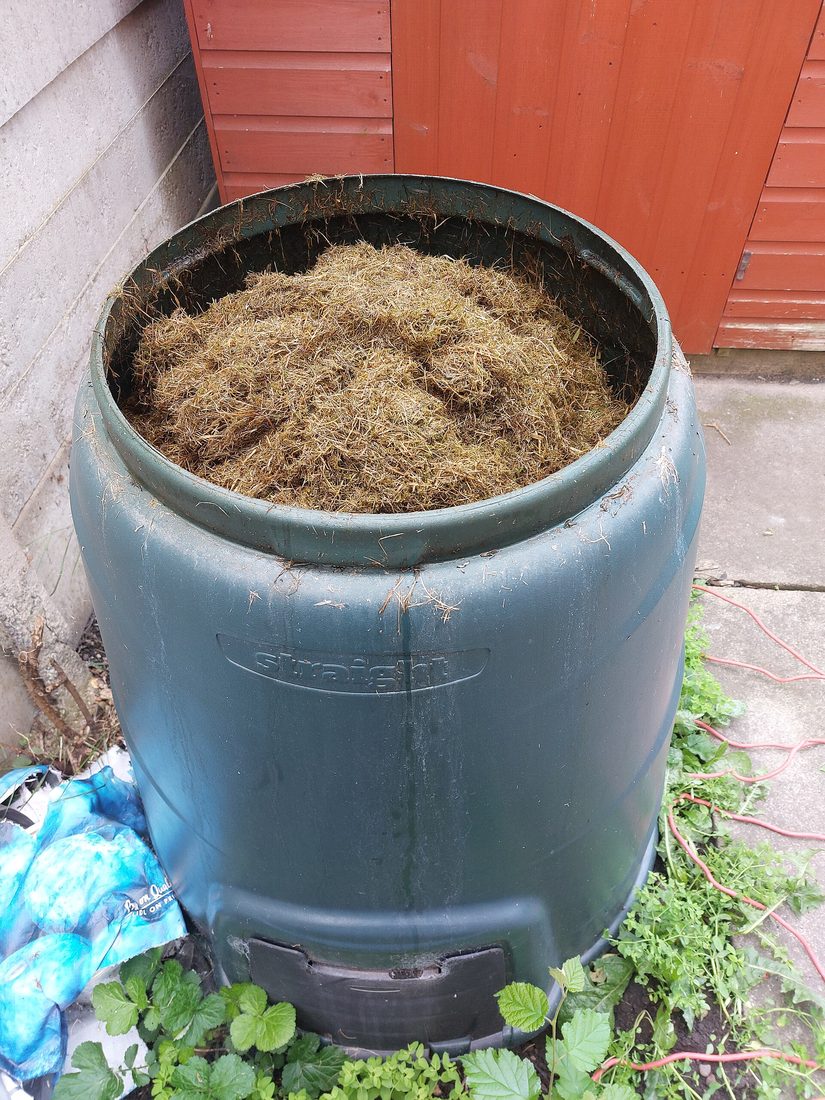
Where there is no FOGO, the backyard heap is the older cousin, and it is more work. I will not romanticise a dalek in January. It dries. It invites rats if you feed it like a buffet. It needs browns and a drink and a lid. If you want the method written for this climate rather than for a Vermont autumn, Doctor Earth’s own compost that works in Australian suburbs is the note I wish I had been handed in my first rental. The civic point is simpler: scraps are not landfill’s job if you have another bin or a heap you will still maintain.
What dies in a heatwave is the fancy ferment and the worm farm that cooked against a west wall. I now treat worms as a shaded luxury, not a moral baseline. The truck and a boring heap will do.
The cupboard, the jar, and the clean that does not need a new bottle
Reuse at the sink is a smaller theatre. A jar that holds last night’s dal. A bottle you refill because the shop still lets you. A cleaning cupboard that did not expand because a leaf arrived on a label. The last of those belongs with choosing safer cleaning products: fewer bottles, less fragrance, a septic or a drain that is still your problem. I mention it here because a circular kitchen that pours a boutique detergent into a creek is only half a thought.
The jar habit dies when the sink is a negotiation. Then you need fewer jars, not more. I keep six. I do not run a refill store that is two buses away in a heatwave. Pilgrimage is January’s first casualty.
What stays when the list has gone
I am writing this as a guest because the useful advice is not a brand’s five-step circular challenge. It is a household admitting climate and time. Repair is a phone number and a week of doing without. Op shops are a shop, not a personality, and a donate bag that does not insult the volunteer. FOGO or a heap is the weekly motion that does not ask you to be good. A short cupboard is the rest.
What I still do, on a forty-degree Thursday: put the scraps in the right bin, wear the shirt I already own, email the repairer, and let the rest of the continent’s problems stay the continent’s for the afternoon.
A circular habit that survives January is allowed to be small. It is allowed to use a truck. It is allowed to fail in a heatwave and resume in March without a confession. The country is already hot. We do not need a virtue that melts. We need the few motions we will still make when the brick lets go of the day.