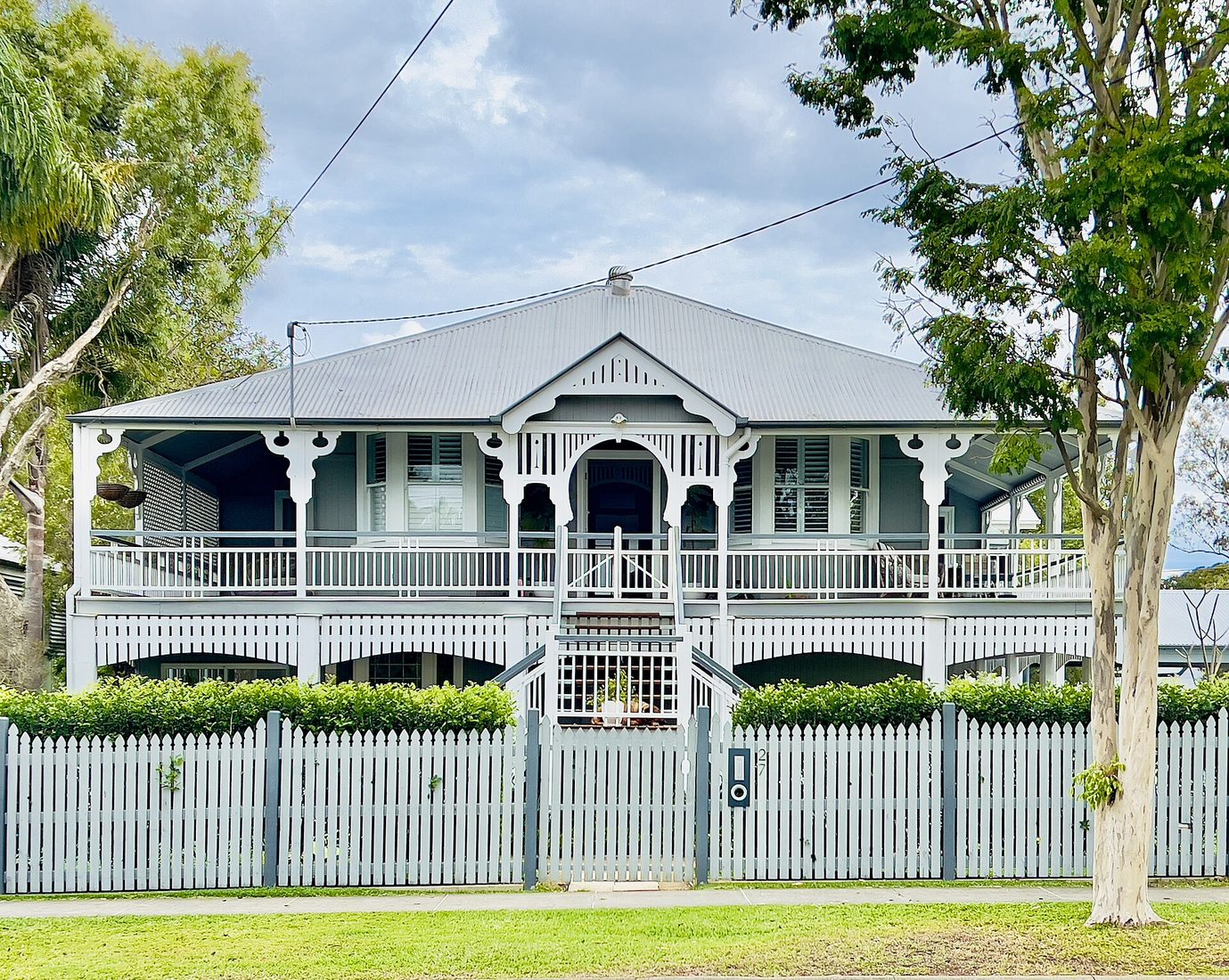
An Australian house is a climate machine specified for a kinder century. The brick veneer with a dark tile, the western glass sold as light, the Queenslander whose verandah was closed in for a rumpus room: these were reasonable in a January that peaked and then, more often than not, let go after dark. They are less reasonable now. The grid is asked to finish a job the building used to share with eaves, a night breeze and a ceiling that was not a heating element.
Gadgets arrive after the envelope. The useful order is still unfashionable: stop the heat getting in, move the air you already have, then cool a room rather than a postcode. Owners can travel further down that list. Renters stop earlier and still have tactics. Both will meet a blackout on a day when the street itself is a storage heater. That neighbouring problem — the suburb that will not exhale — is set out in urban heat islands in Australian cities. Home energy is the indoor half of the same argument.
Insulation, which is not a lifestyle
Heat enters through the roof first, then the west wall, then the glass. A ceiling without insulation on a thirty-eight-degree day is a griddle over plaster. The air-conditioner, if there is one, is asked to fight the sun in real time. It will lose on a long afternoon and the bill will record the loss.
Bulk insulation in the ceiling is the retrofit that still earns its keep in almost every climate zone this country uses. The gaps matter as much as the product: the missing bat over the hallway, the downlight that has become a chimney, the manhole left as a warm lid. Walls are worth doing when a renovation has already opened the plaster. Foil alone, draped like a superstition, is not a ceiling. If you are replacing a roof, the pale colour belongs in the same sentence as the insulation. A dark tile in a new estate is a heating element chosen for a photograph taken in May. Character does not lower a peak load.
Split systems, and the manners they require
The split system won. Used well, it is a precise tool: a closed room, a setpoint that is not a fridge, a filter that has been washed, a unit sized to the space rather than to a salesman's fear. Used badly, it is how a suburb cooks its own street. Every condensing unit on a western brick wall dumps the indoor problem into the outdoor one. On a heatwave afternoon the grid sees a million of these decisions at once. The blackout is not a moral verdict on air-conditioning. It is arithmetic.
Cool the room you are in, not the hallway you are not. Twenty-five or twenty-six degrees is liveable for most healthy adults; eighteen is a dare. When the heat island has kept the street in the mid-twenties, the machine stays on in the bedroom and the rest of the house is a brick oven you do not enter. Service the outdoor coil. A unit choking on dust and a dead frangipani is a louder, dearer, less effective machine.
Ceiling fans, which were never a compromise
A ceiling fan does not lower the temperature of a room. It lowers the temperature of a person, which is the only temperature a body can use. Brisbane, Darwin, the north coast of New South Wales: fans were furniture. The southern brick decades treated them as a holiday affectation and then discovered that a fan and a slightly higher setpoint is cheaper than a split system doing all the work.
A pedestal fan aimed at skin is the renter's version and is not a lesser tool. Close the door. The house does not need to be a consistent climate; a person does. A fan in an insulated, shaded room can keep a split system civilised. A fan in a western glass box at four o'clock only moves hot air across a face. Do the glass first.
Western glass, the afternoon oven
The west-facing window is the cheapest way to import a furnace. Low-angle summer sun arrives as radiant load that no split system fully cancels, because the glass is still a heater after the air has been cooled. Curtains help if they are pale, close-fitting, and actually shut. External shade is better: an eave, a verandah, a shade cloth, a sail the body corporate will tolerate, a vine on a structure that is not the weatherboards.
Tint and film are the retrofit when you cannot build an eave. If you are building, the glass belongs on the north, sized and shaded. If you are renovating, stop adding west glass because the sunset looked expensive in the render. Cross-ventilation still works on the nights that allow it — open low on the cool side, high on the exhaust, and only when the outdoor air has dropped. On an island night that drop does not arrive. Then the useful room is the one you can close, shade, and hold. What you breathe in that closed room is a neighbouring essay: indoor air quality in Australian homes.
Renters, who cannot re-roof the century
Most elegant advice assumes a roof cavity you may enter and a landlord who answers. Australia has spent twenty years putting tenants in dark boxes with western glass and a car park for a garden. Shade the glass you can reach. Put the bed in the room that is not the west oven, if such a room exists. Use a fan on the body. Cook early on the bad afternoons. A portable evaporative cooler works in dry heat with an open window, and is a damp disappointment elsewhere.
Ask, in writing, for ceiling insulation. Keep the email. Do not wire a split system yourself or foil a ceiling from a stepladder in a building you do not own. None of this replaces a pale roof or a street tree. Those are fights for tenants' unions and minimum standards. A renter who stays liveable through a heatwave has used the levers they actually hold.
Blackouts, and the room you can keep
A heatwave blackout is no longer a rural curiosity. Storms take lines down; peak demand takes suburbs offline in slices; a day of severe fire weather can do both. The question is which room you can hold, and for how long. Phones charged by late morning. A battery lantern that is not a candle under plaster. The cooler room prepared as a camp. Fridges keep food longer if you do not tour their interiors.
A generator is a neighbour problem as well as a household one: exhaust, noise, the temptation to run a house that was never a bunker. Solar with a battery changes the arithmetic for those who can buy it. It does not abolish the need for a room that can be lived in without a machine. The cheapest resilience is still the envelope.
The rest of Fire Season is flame, smoke and the ecology of a hard summer. Home energy is the domestic preface. You cannot repeal January. You can stop asking a split system to atone for a ceiling that was never insulated and a window that faces the worst of the day. Cool the person. Shade the glass. Fill the roof. Then, and only then, size the machine.